Pondo
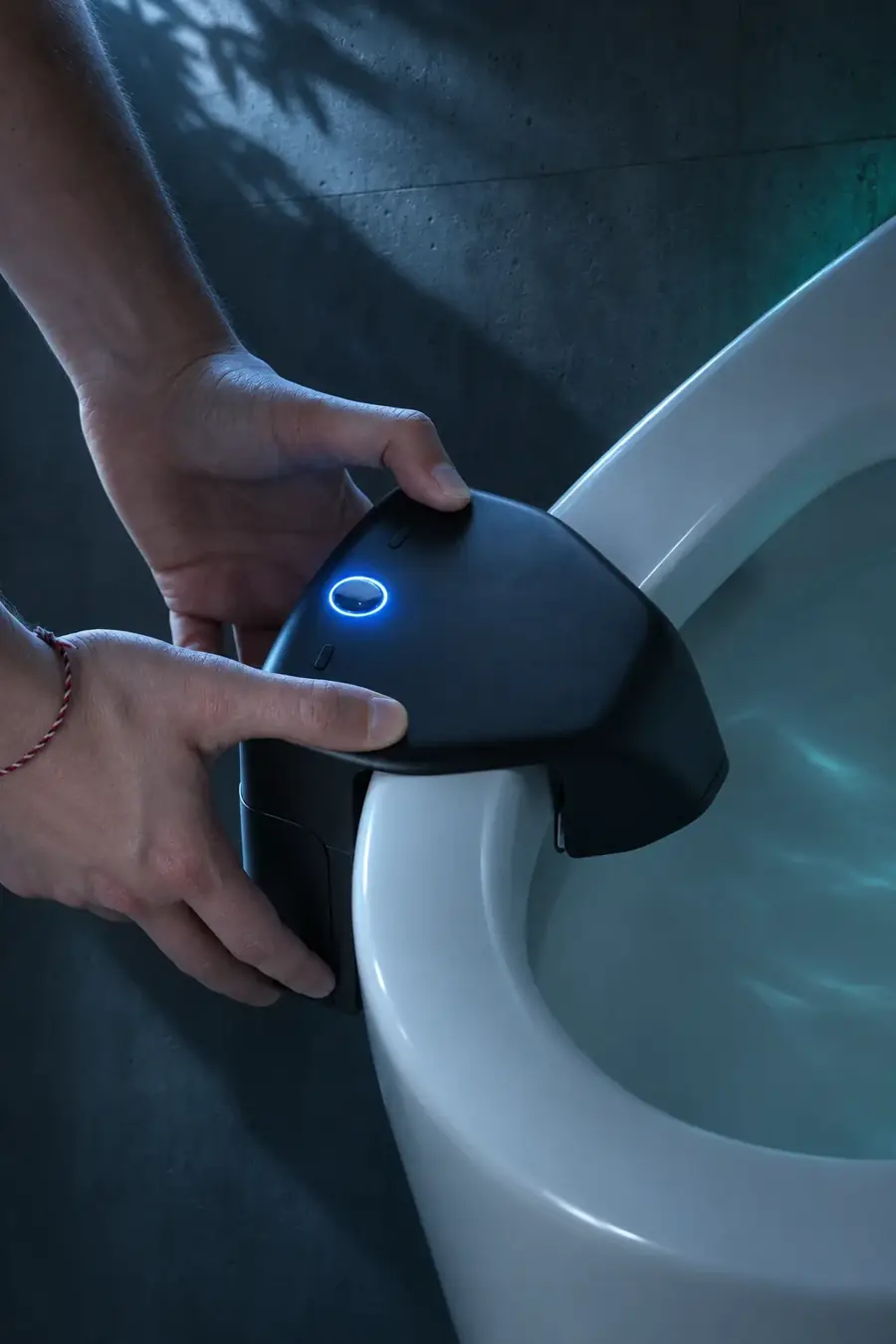
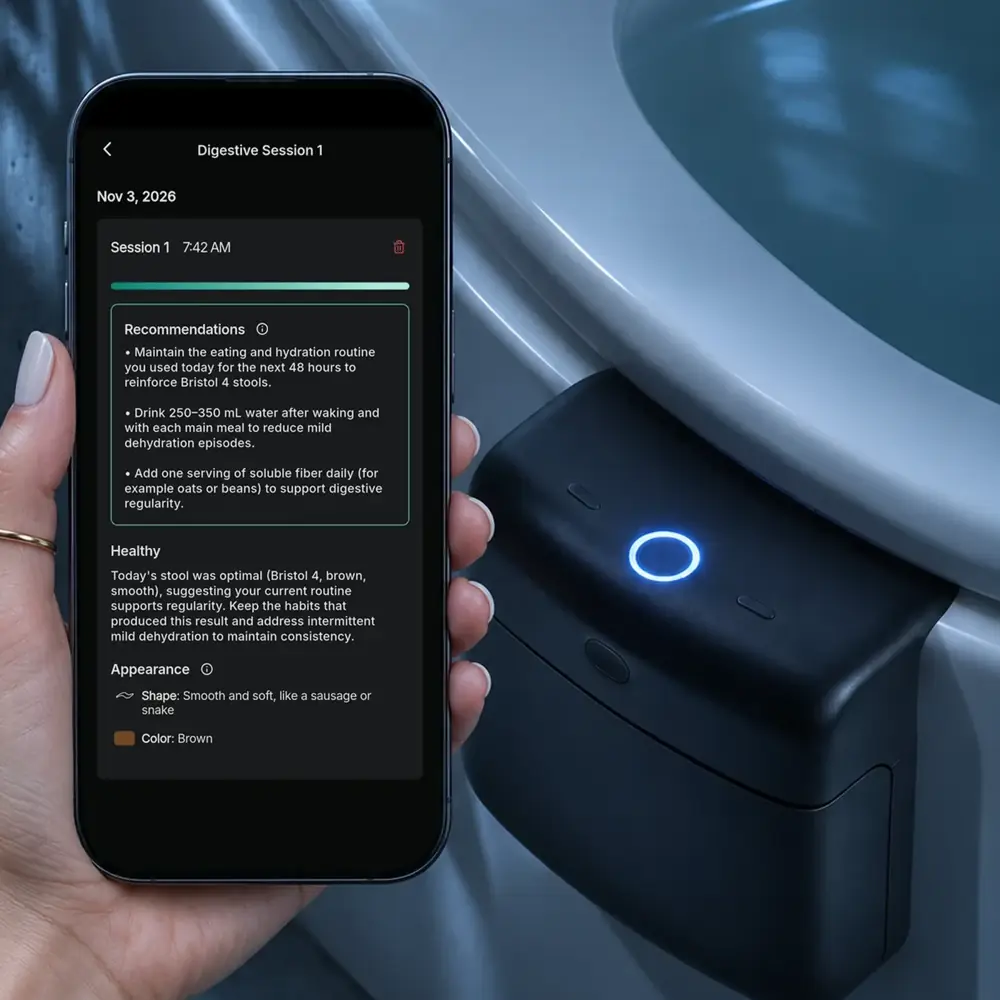
An AI gut health tracker that clips onto any toilet and automatically analyses digestive and hydration biomarkers, then sends personalised gut data to your phone. Daily scores, no photos, no logging, no subscription.
Kyle Cooper · CEO, Pondo
Biomedical engineer, B.S. and M.S.E. from Johns Hopkins. Now CEO of Pondo. On the side, an advisor, a co-author and a builder of tools.

Where I am now, what I do on the side, and the projects that got me here.


An AI gut health tracker that clips onto any toilet and automatically analyses digestive and hydration biomarkers, then sends personalised gut data to your phone. Daily scores, no photos, no logging, no subscription.
EvoRes replaces subjective pinches and sternal rubs with a controlled, repeatable stimulus for pain-response testing at the bedside, even when a patient can't respond on command. It started as my Johns Hopkins design team, working with the Neuro-ICU.
A whitepaper on eclipse-minimising sun-synchronous orbits: how a satellite can stay out of Earth's shadow all year, and at what altitude the usual dawn–dusk orbit stops falling short. With Yanni Nikas.
Electronic signatures for regulated work. Every signature carries the signer's printed name and title, the date and time, and the intent they confirmed, as 21 CFR Part 11 requires.
Lets AI agents read and edit Google Docs through one plain-text file. The sync engine owns the hard parts: API calls, index arithmetic, named ranges, formatting and comment threads.

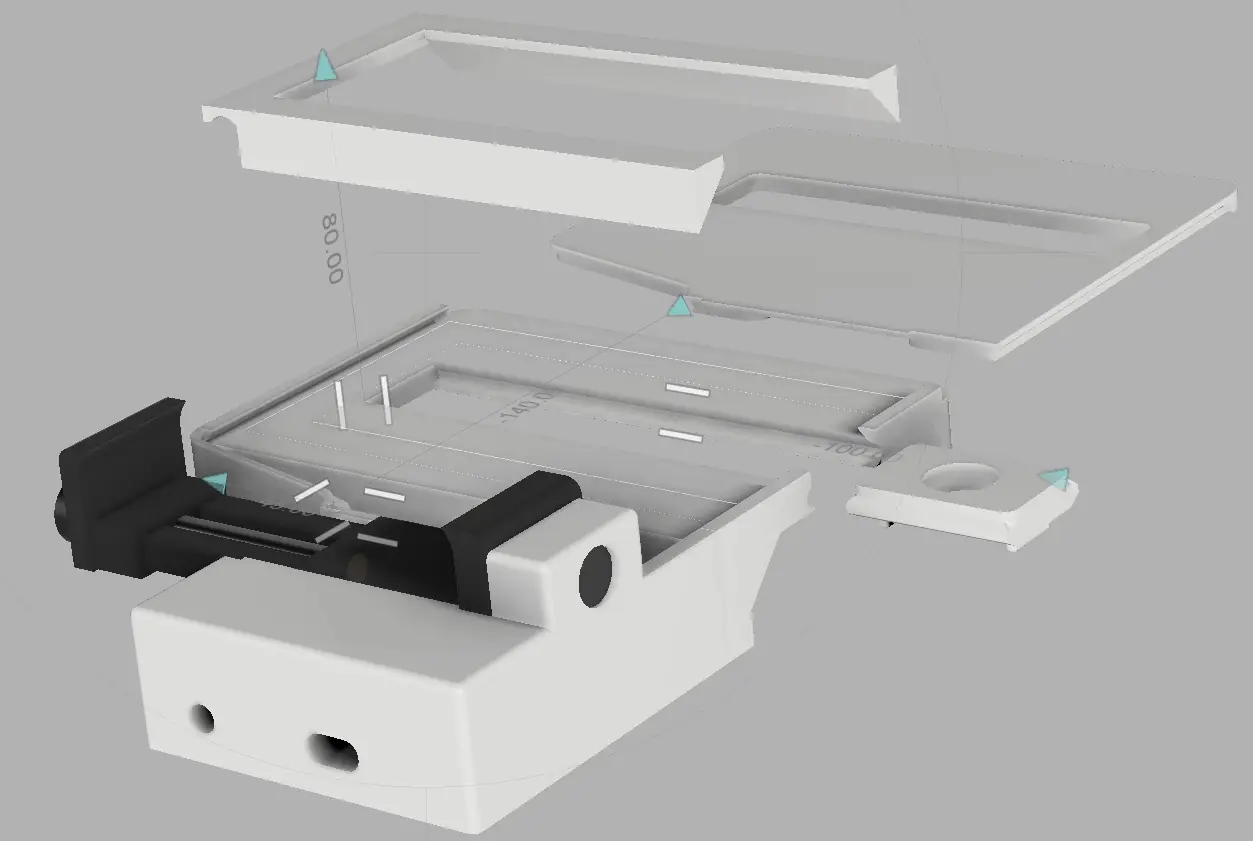
An AI phone attachment that identifies a mosquito's species, sex and abdomen status without a specialist entomologist. I designed, built and validated several versions, delivered them to Mozambique, and led a redesign for mass production.

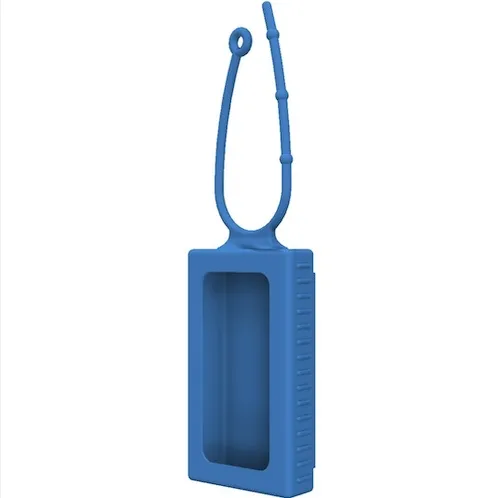
Silicone carry cases for the EpiPen and AUVI-Q, started in high school after years of carrying mine in a Ziploc bag. I taught myself CAD, cast the first prototypes from 3D-printed molds, and hold two design patents.

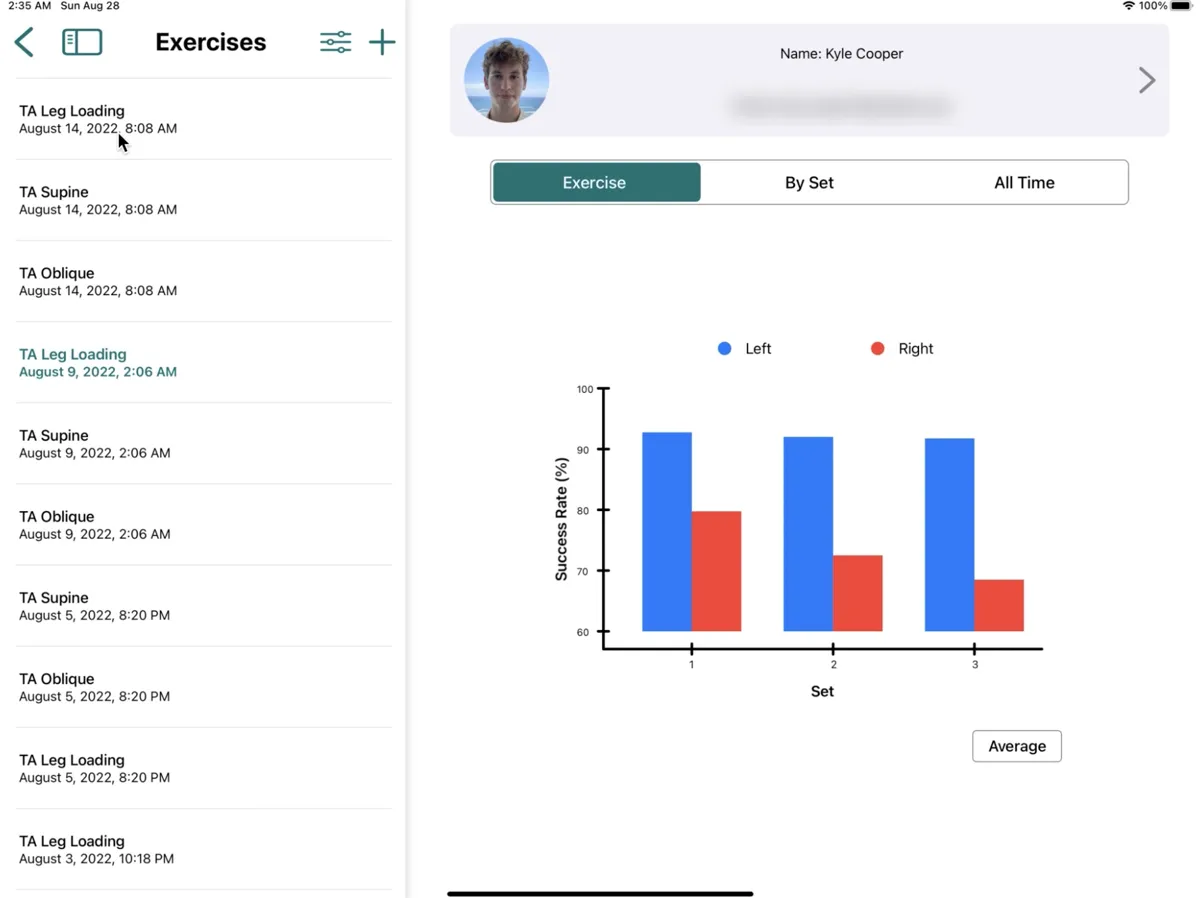
Built the Firebase-backed iOS app that turns a pressure-sensing mat's raw data into insights for physical therapists. Mostly on my own; named the engineering team's Intern of the Month.

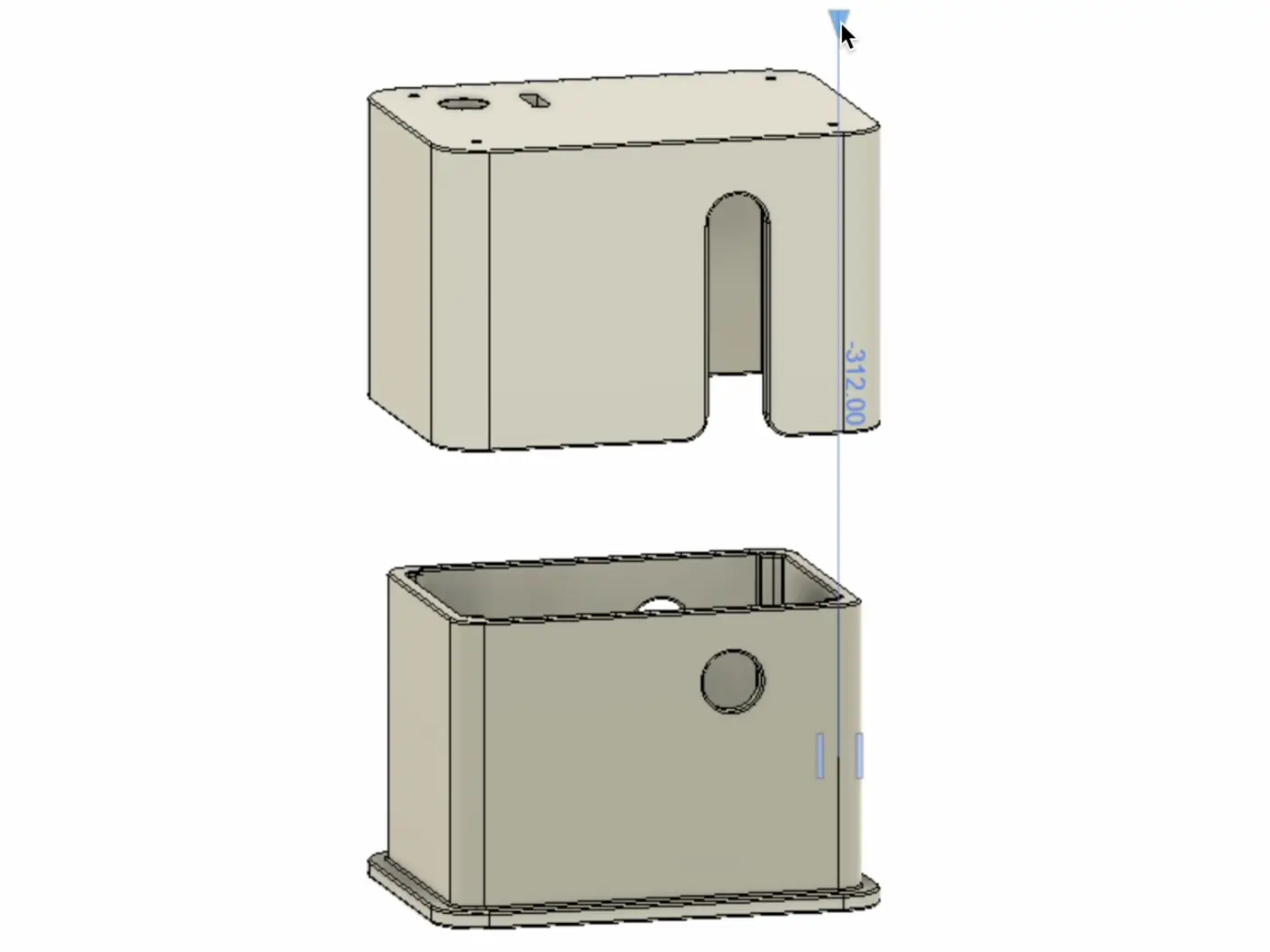
CAD for a Johns Hopkins team's device that reads airflow from a patient's oxygen concentrator, so a model can flag oncoming strokes and heart attacks.

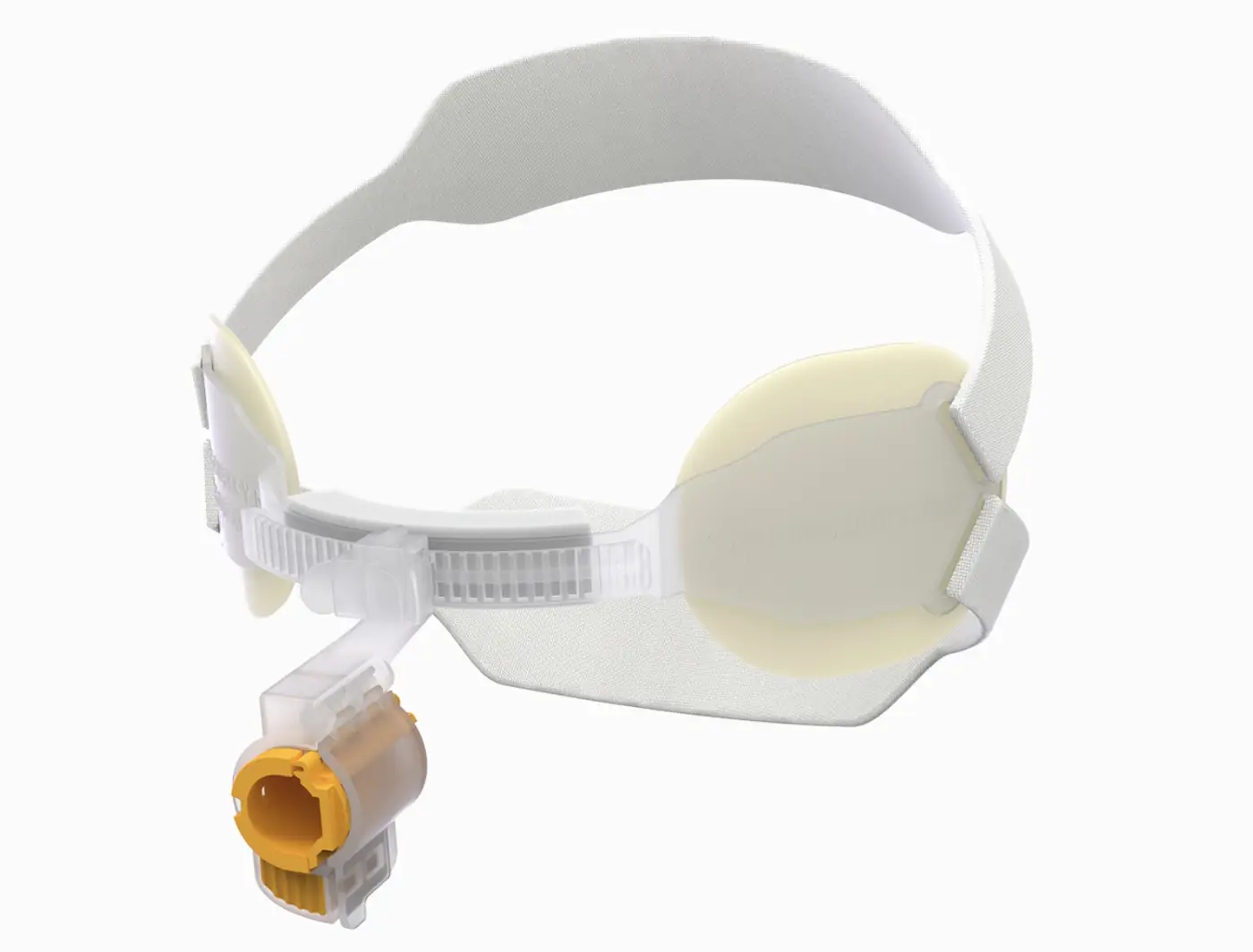
Prototyping and CAD for a device that secures a breathing tube to prevent unplanned extubation. Some of my design suggestions made it into the final product.

Harvard Medical School's global neurosurgery hackathon. We were finalists, top 12 of 70 teams, and the only all-undergraduate team. I built the app for our community health worker pilot.

I get excited by taking a problem from the first sketch to the thing someone actually uses: the CAD, the electronics, the firmware and the app that ships with it.
It started with a BattleBots robot in my basement and a CAD program that slowed down the family computer, then an EpiPen case I needed myself. Since then it has been medical devices at Johns Hopkins, field work in Mozambique, and now Pondo, where I'm CEO. Outside of work I hike, ski, and play and watch a lot of soccer.
Newest first. Filled dots are current roles; documents and patents are attached where I have them.